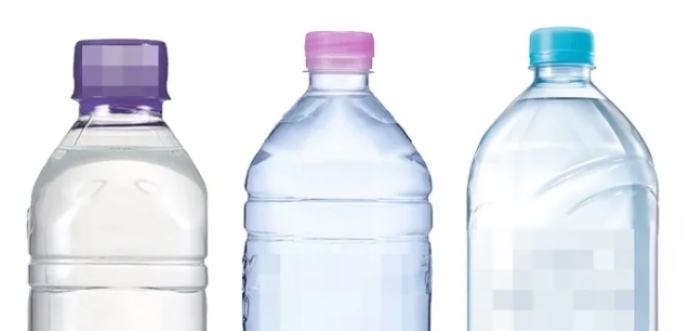
According to a paper published last February by researchers from Virginia Tech and others in the international journal 'Journal of Hazardous Substances,' the amount of harmful substances such as microplastics (usually plastic particles smaller than 5mm) released when plastic containers filled with water were thawed after freezing at subzero temperatures, which was similar to the amount released when heated to 60 degrees. Specifically, inside plastic containers that were repeatedly frozen and thawed, over time, about 70~220 microplastic particles were released per day. About 70~220 microplastic particles were released per day. When heated, about 70~130 microplastic particles were released per day, and when chlorine was disinfected, about 60~160 microplastic particles were released. On the other hand, when no treatment was done , the number of microplastic particles was found to be about 3~66. When repeated freezing and thawing, heating treatment, and chlorine disinfection were performed, the size of the leached microplastic particles was generally found to be about 4~9μm. The researchers explained, "Plastics can mainly be broken down into microplastics through physical processes and chemical reactions," and added, "Microplastics can pose potential health risks such as cytotoxicity and oxidative stress." Experts pointed out the need to raise awareness about drinking water frozen in plastic bottles during summer and to promote safe drinking methods to the public. So, these findings suggest that carrying 'spring water' frozen in summer, which many people drink, can result in drinking large amounts of plastic directly.
Comments 0
Log in to comment.